2026 · Jaecoo
Jaecoo 7 PHEV Premium Line
From €35,990
Technical data
- Engine
- 1.5 l turbo petrol
- Power
- 279 hp
- Torque
- 365 Nm
- Transmission
- Automatic
- Drivetrain
- Front-wheel drive
- 0–100 km/h
- 8.5 s
- Top speed
- 180 km/h
- Consumption
- 6,4 l/100 km
drivereport SCORE
Our objective five-pillar rating system
Overall rating
Driving
25% weighting
6.2
out of 10
Everyday use
25% weighting
8.2
out of 10
Technology
20% weighting
7.5
out of 10
Value
20% weighting
8.4
out of 10
Character
10% weighting
7.0
out of 10
The drivereport SCORE is based on our objective five-pillar system. Learn more about the drivereport SCORE.
Pros
- Design and high-quality, robust materials
- Very good value for money
- Strong range: up to 90 km electric, up to 1,200 km in total
Cons
- Driving characteristics: driving feel not always solid
- Spongy suspension with little feedback
- Infotainment partly poorly translated and not entirely intuitive
Introduction
Jaecoo has been on sale in Austria since autumn 2025. The brand belongs to the Chinese Chery group, and the Jaecoo 7 is its compact SUV for the middle of the market. We tested it as a plug-in hybrid with the Super Hybrid System (SHS), which pairs a 1.5-litre turbo petrol engine with a powerful electric motor. Our test car is the Premium Line, which is the fully equipped version. It costs €39,490, while the Comfort Line starts at €35,990. For just under €40,000, the Jaecoo 7 promises a lot of car, a lot of equipment and a lot of range. What remains open is how much of that arrives when you actually drive it.
Design and Build Quality
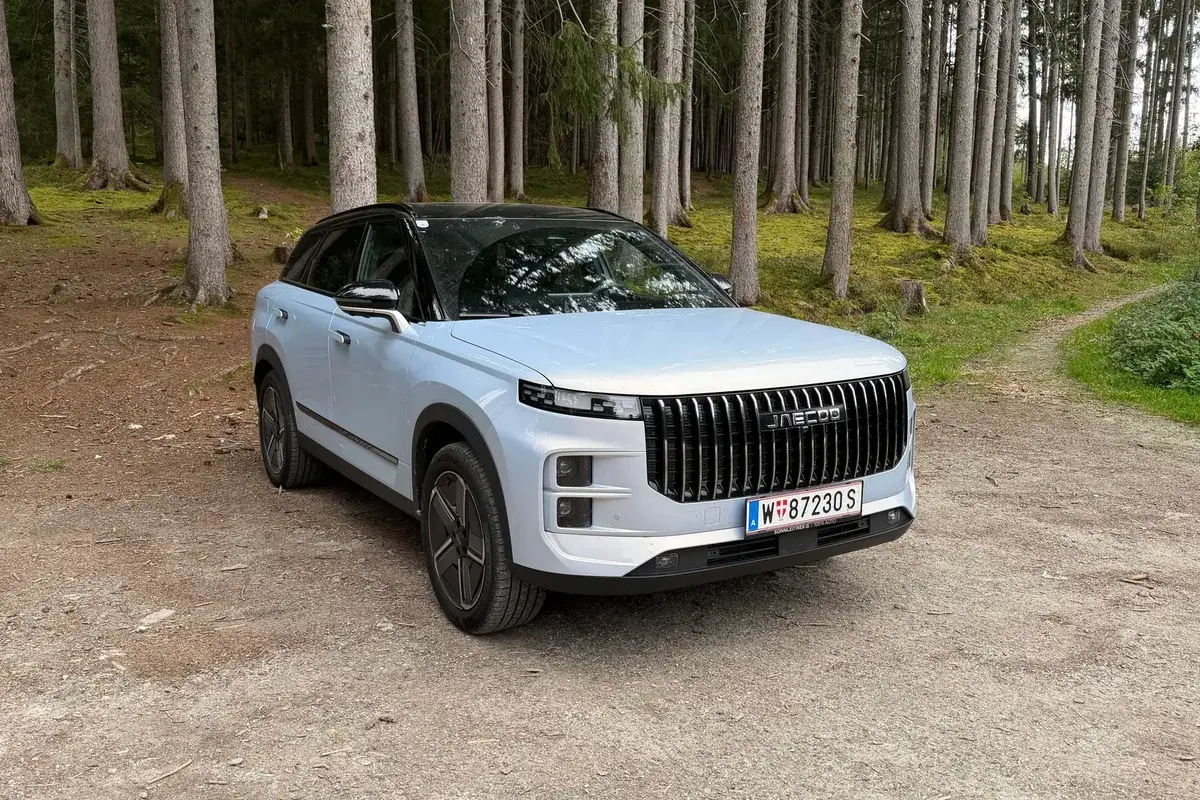
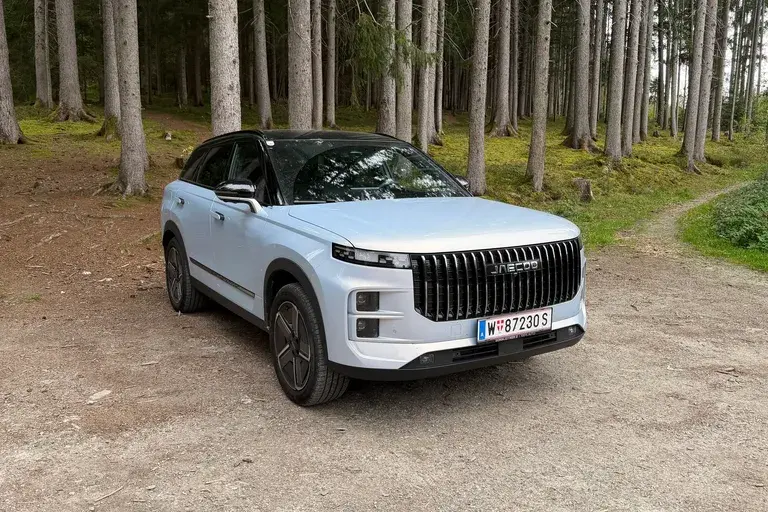
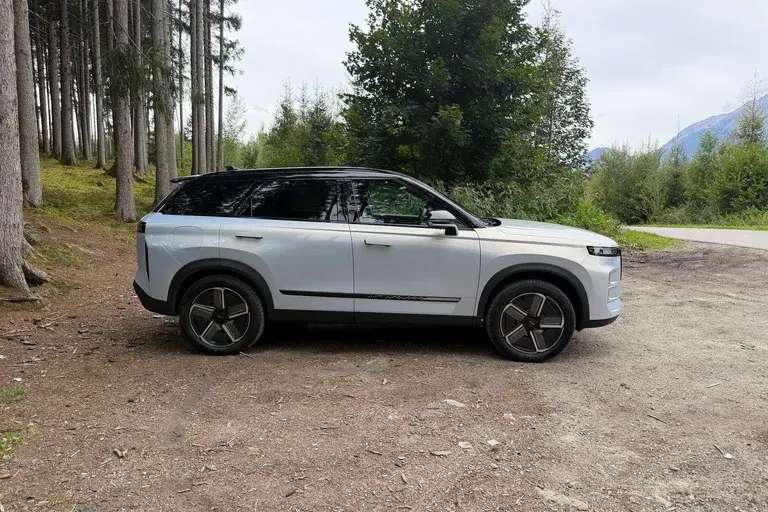
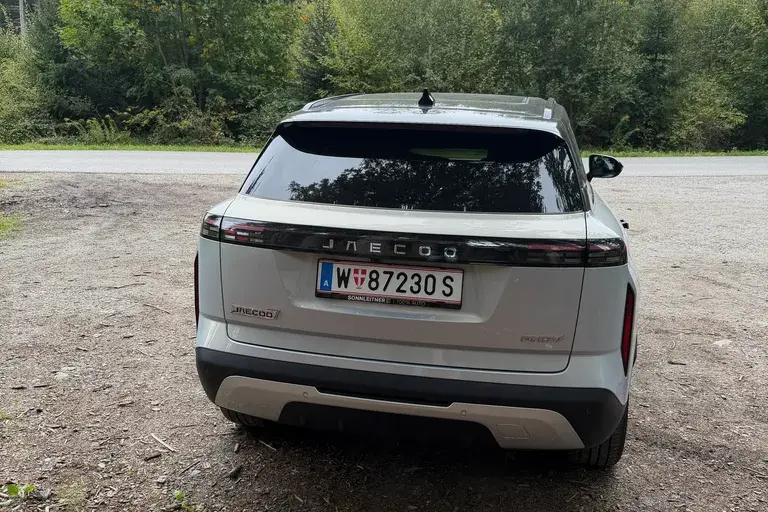
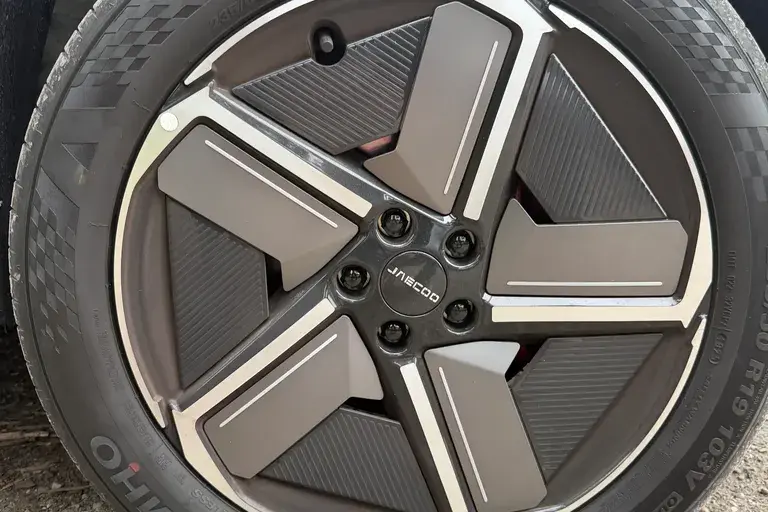
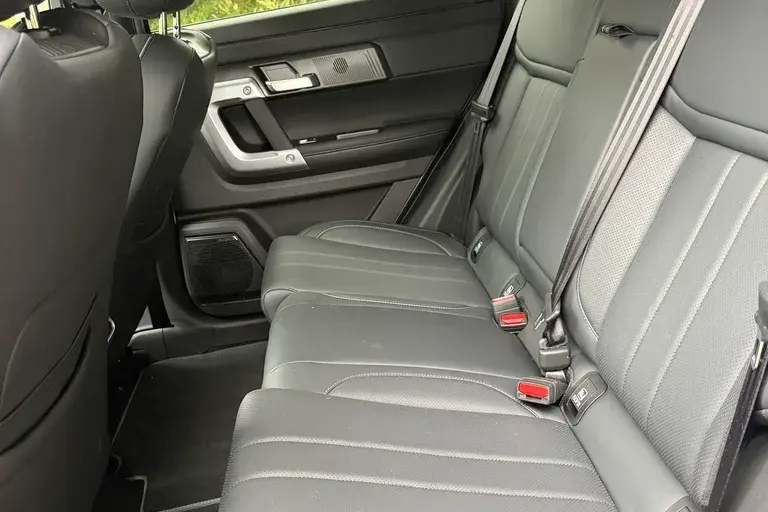
Visually, the Jaecoo 7 plays a league above its price. The front looks confident and angular, and at 4.50 metres the car is compact but looks noticeably bigger than it is. The 19-inch wheels round off the look. Inside, that impression continues. The materials feel high-quality and robust, the surfaces are cleanly finished and the leatherette seats feel solid. For a car in this price class that is a real strength, and one of the main reasons the Jaecoo 7 works so well in the showroom.
Powertrain and Driving Dynamics
On paper, the powertrain is solid. The 1.5-litre turbo petrol engine delivers 105 kW (143 PS), and the electric motor adds up to 150 kW (204 PS). Together they produce 205 kW (279 PS) of system output and 365 Nm of torque. That is good for 0–100 km/h in 8.5 seconds and a top speed of 180 km/h. All the power goes to the front wheels, and that is where the problem lies. When pulling away and accelerating, the tyres spun again and again during our test. Traction simply doesn’t keep pace with the power.
The driving feel isn’t convincing throughout either. The suspension is tuned on the soft, spongy side and gives little feedback. You barely feel what the front axle is doing, and the car doesn’t always convey a solid feel. In everyday use the Jaecoo 7 stays comfort-oriented, but anyone driving briskly will wish for more feedback and more precision. With a kerb weight of around 1.9 tonnes (1,870 kg), the chassis also has plenty to deal with. The powertrain and the chassis tuning both feel not quite finished.
Interior and Infotainment
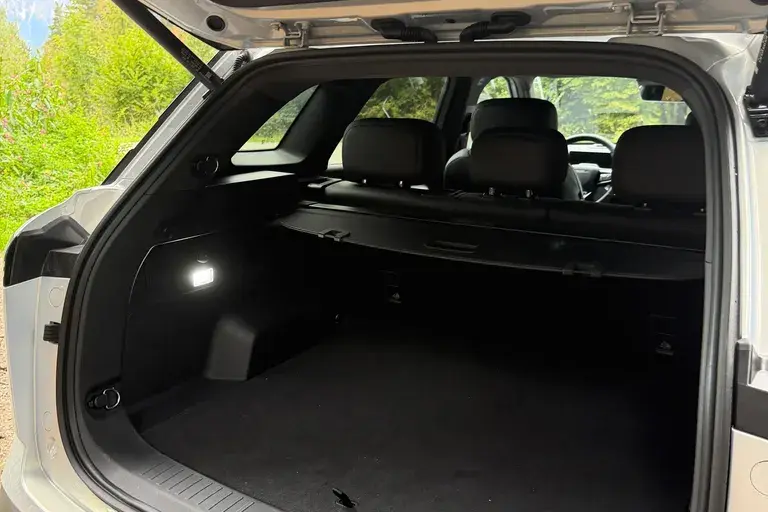
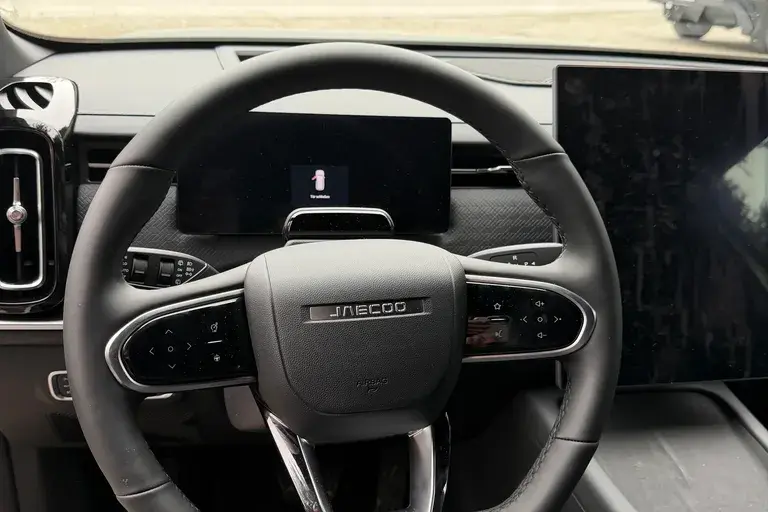
The Premium Line brings a lot to the table. It includes a 14.8-inch touchscreen, a head-up display, a panoramic roof, a heated steering wheel and a 540-degree camera. According to press material, ventilated front seats, a Sony sound system, an electric tailgate, wireless charging and ambient lighting are also included. Space is fine for the class. The boot holds 340 litres in the plug-in hybrid, up to 1,265 litres with the seats folded.
The infotainment has its lights and shadows. The large screen looks good and is generally quick. However, the menus are partly poorly translated, and operation isn’t always intuitive. Some functions take longer to find than they should. You can tell the system was developed for another market and only translated into German afterwards.
Efficiency
This is where the Jaecoo 7 clearly scores. The 18.3 kWh battery (LFP) allows up to 90 kilometres of pure electric driving according to WLTP. That is enough for many commuters to handle everyday life almost without petrol. WLTP consumption is 2.4 litres of petrol and 15.1 kWh of electricity per 100 kilometres. With an empty battery, the manufacturer quotes around 6.0 litres. With the 60-litre tank, the total range reaches up to 1,200 kilometres, which is very strong for a plug-in hybrid of this size. Charging is done at 6.6 kW on AC, and up to 40 kW on DC. Going from 30 to 80 percent takes about 20 minutes.
Assistance and Safety
The standard equipment is extensive. It includes automatic emergency braking, adaptive cruise control, lane-keeping assist, blind-spot warning and eight airbags. The Premium Line adds the 540-degree camera, which helps when manoeuvring. Jaecoo offers a seven-year warranty on the vehicle and eight years or 160,000 kilometres on the hybrid drive.
Verdict
The Jaecoo 7 PHEV Premium Line is a car that convinces on paper and in the showroom. It looks good, feels high-quality inside, offers full equipment and goes very far as a plug-in hybrid. At €39,490, the value for money is strong. On the road, though, you can see where costs were cut. The suspension is spongy and gives little feedback. The front wheels spin too easily under full power, and the infotainment needs better translations and clearer operation. Anyone looking for a well-equipped, long-range and affordable family SUV who doesn’t care about driving dynamics gets a lot of car for the money. Anyone who values a confident, solid driving feel should take an extended test drive before buying.
Gallery
More reviews

2025 · Ford
Ranger 2.3 PHEV Wildtrak
In Austria, the Ranger is a pick-up everyone knows, from the construction yard to the alpine hut: a workhorse that has grown into a lifestyle vehicle in recent years.
Read the review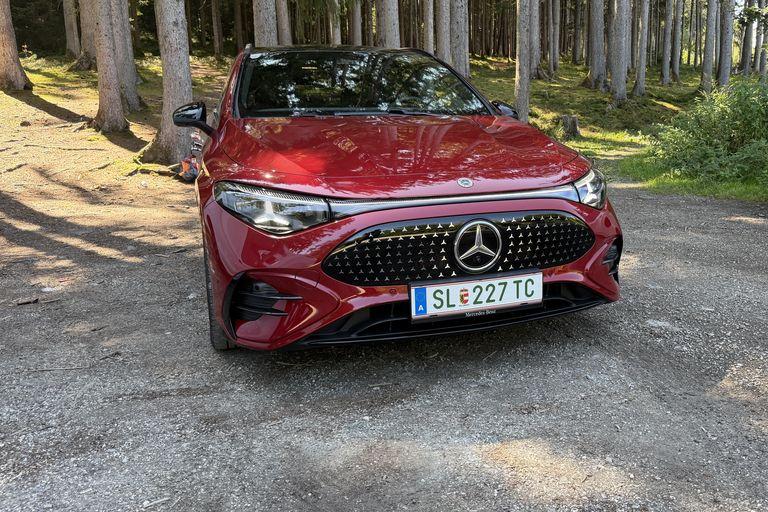
2026 · Mercedes-Benz
CLA 350 4MATIC Shooting Brake
Some cars enter a room — others redefine it. The Mercedes-Benz CLA 350 4MATIC Shooting Brake with EQ Technology belongs firmly in the latter category.
Read the review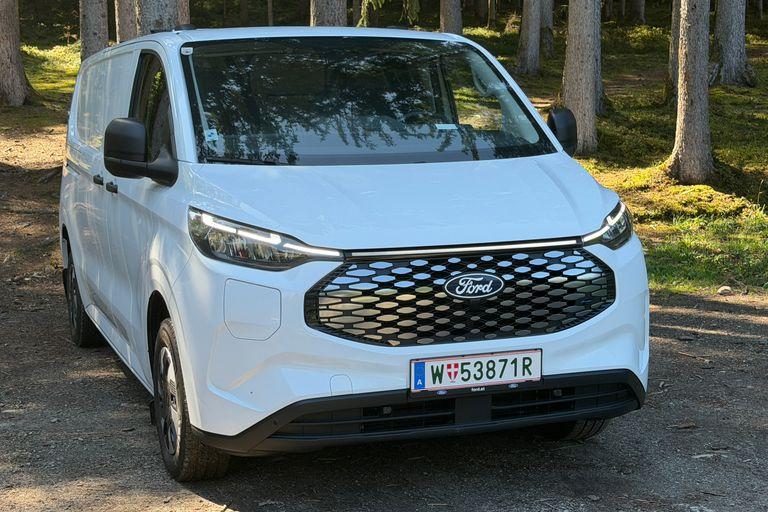
2026 · Ford
E-Transit Custom Trend L2
The Transit Custom has been the backbone of countless European trades and businesses for decades — a vehicle that doesn't win hearts with emotion, but with reliability, capacity and economy.
Read the review