2025 · VW
Multivan T7 eHybrid
From €64,946
Technical data
- Engine
- 1.5-litre four-cylinder + electric motor
- Power
- 245 hp (combined)
- Torque
- 350 Nm (combined)
- Transmission
- 6-speed DSG
- Drivetrain
- All-wheel drive
- 0–100 km/h
- 8.9 s
- Top speed
- 200 km/h
- Consumption
- 5.9 l / 100km
drivereport SCORE
Our objective five-pillar rating system
Overall rating
Driving
25% weighting
7.9
out of 10
Everyday use
25% weighting
8.6
out of 10
Technology
20% weighting
7.5
out of 10
Value
20% weighting
7.5
out of 10
Character
10% weighting
5.0
out of 10
The drivereport SCORE is based on our objective five-pillar system. Learn more about the drivereport SCORE.
Pros
- Comfortable suspension
- Helpful driver assistance systems
- Easy removal of the rear seats
Cons
- Phone doesn't always connect reliably
- Engine can get quite vocal at times
- No navigation system included
Introduction
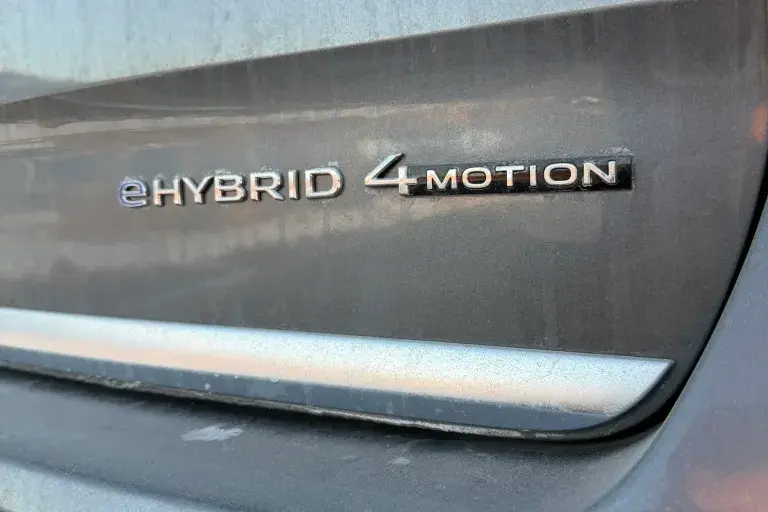
With the T7 Multivan, Volkswagen opens a new chapter in the history of its iconic people carrier. For the first time, the Multivan is no longer based on a pure commercial vehicle platform, but on the modular MQB architecture — with a clear focus on comfort, everyday usability and modern powertrains. Particularly interesting is the plug-in hybrid, known as eHybrid (often also referred to as eMotion), which aims to combine short electric journeys with the classic VW Multivan versatility. Whether this concept works is what this drivereport test examines.
Design and build quality
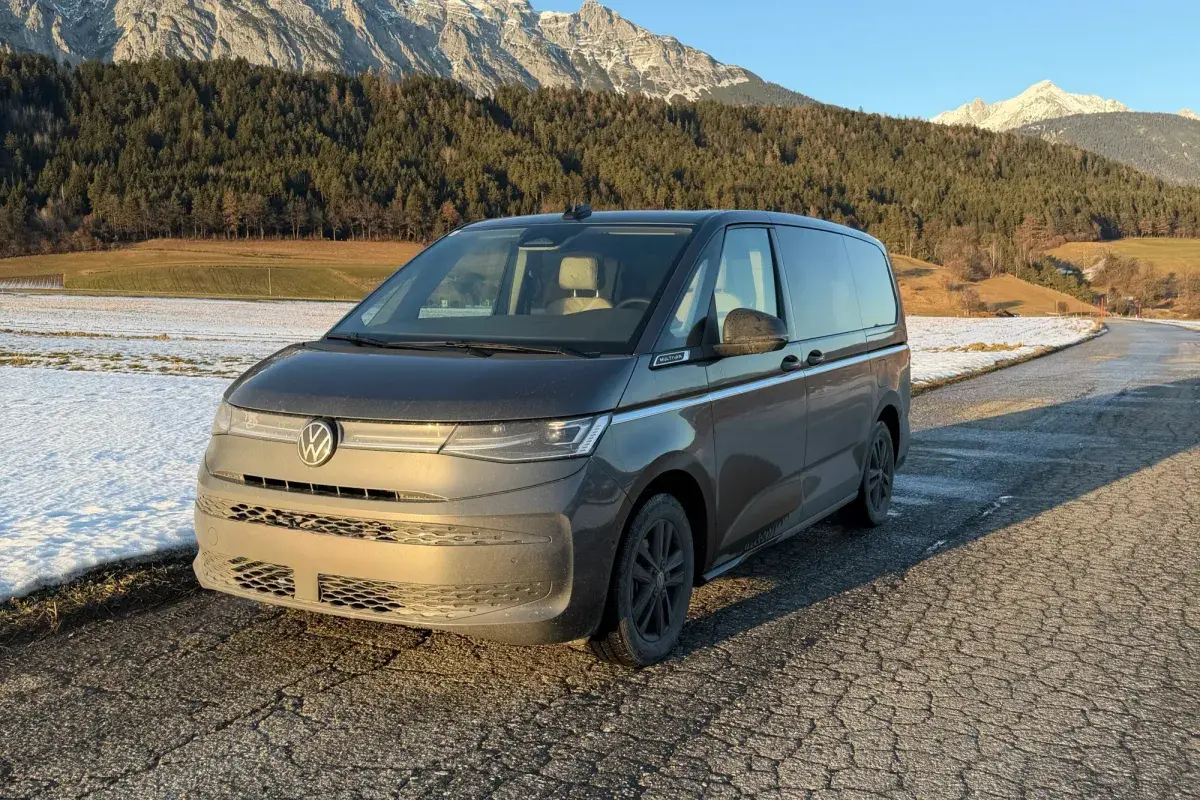
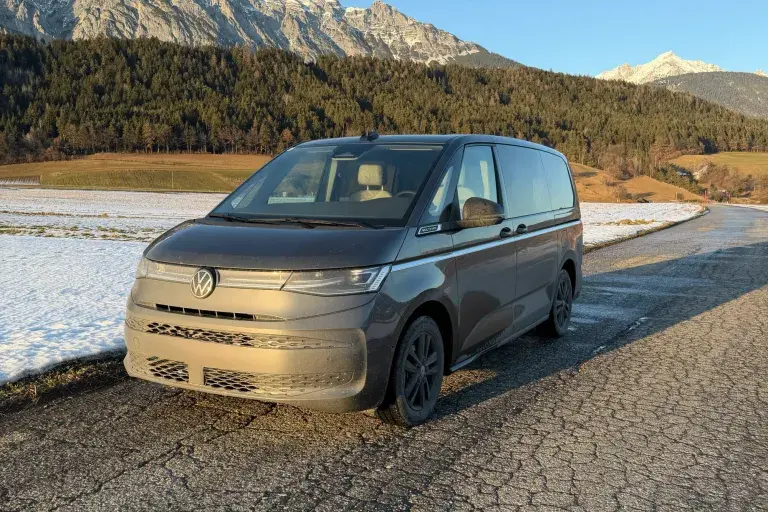
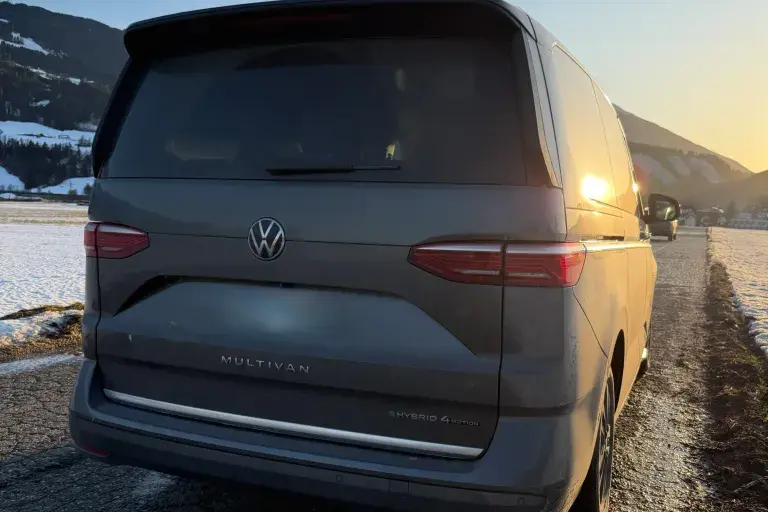
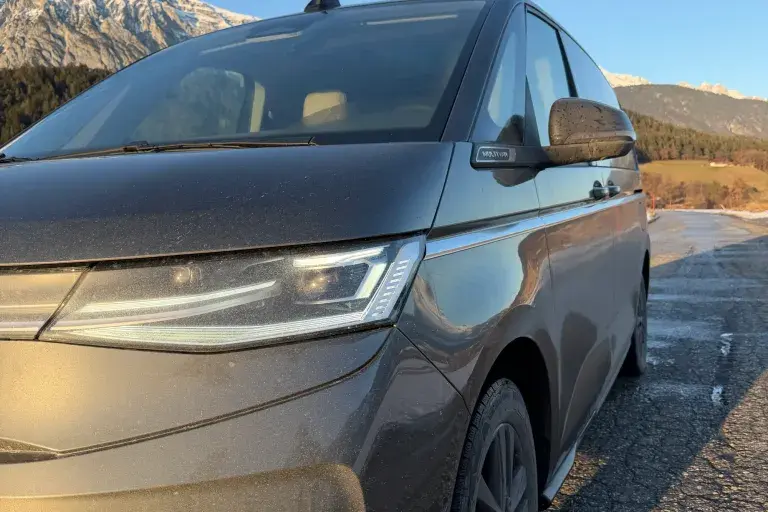
Visually, the T7 Multivan looks noticeably more modern and elegant than its predecessor. The front is flatter, the lines cleaner and less "van-like". Two-tone paint finishes and slim LED headlights give the vehicle an almost premium van character. Overall, the T7 presents itself with confidence but without showing off — a successful update.
Build quality sits at a good VW standard. Panel gaps are tight, and the body feels solid. In the details, though, it's clear the Multivan is designed more for function than luxury. Some materials in the lower areas feel plain, but that suits the vehicle's practical purpose.
Interior
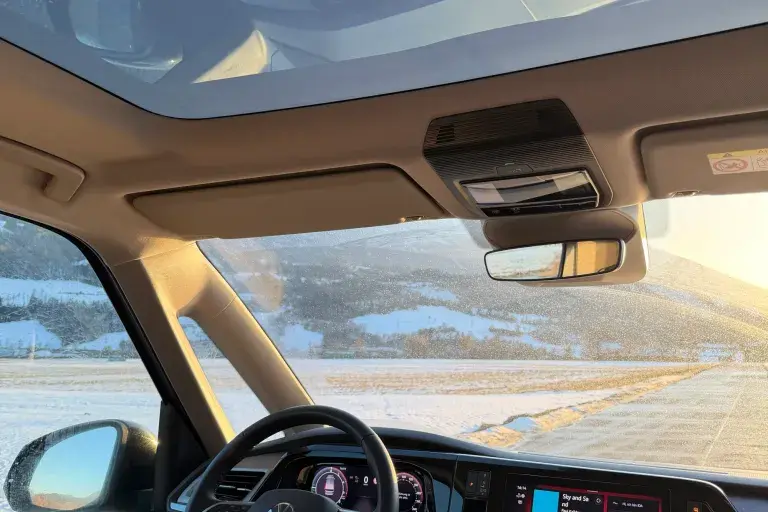
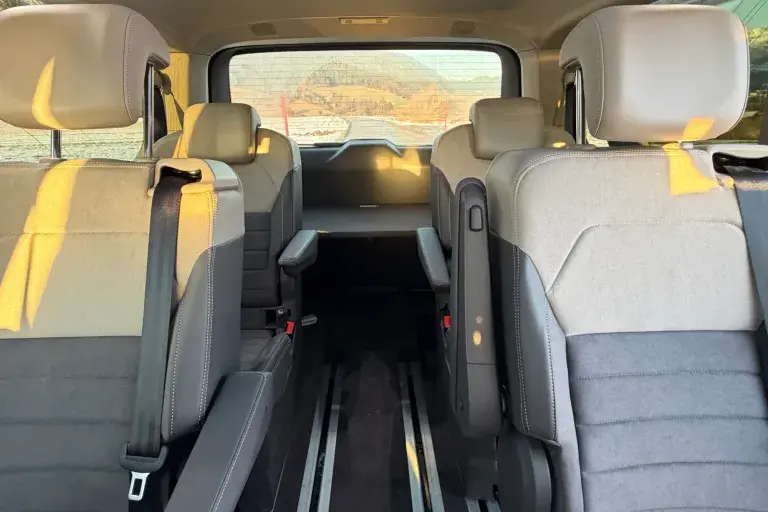
This is where the Multivan traditionally plays its greatest strength. Space is generous, the seating position pleasantly elevated, and visibility excellent. Particularly practical: the rear seats can be comparatively easily removed or repositioned — a clear advantage over many competitors and a genuine everyday benefit.
The interior design is modern but restrained. However, interior colour options are fairly limited, which restricts personalisation. The infotainment system offers plenty of functions but shows weaknesses in smartphone integration: the phone doesn't always connect reliably, which can quickly become annoying in daily use. In addition, a navigation system isn't included as standard — a clear drawback given the price segment.
Powertrain and handling
The plug-in hybrid combines a 1.5-litre turbocharged petrol engine with an electric motor for a combined output of 245 hp. In daily use, the T7 drives surprisingly pleasantly. The optional DCC adaptive suspension deserves particular mention, letting the Multivan glide noticeably comfortably over poor roads while adapting well to different drive modes.
Criticism is due for the interplay between engine and gearbox: the combustion engine frequently revs quite high, and gear changes tend to come late. This feels acoustically present and doesn't always suit the vehicle's relaxed character. On the positive side, overall road holding is reassuringly secure — despite its size and weight, the T7 feels easy to manage.
Driver assistance and safety
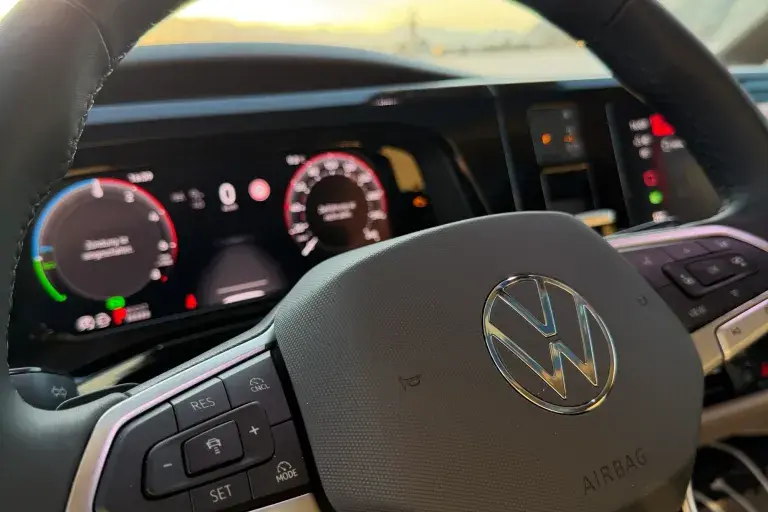
This is where the T7 Multivan convinces. The Travel Assist function works very pleasantly and noticeably eases the burden on long motorway stretches. Lane guidance and distance control feel harmonious and not intrusive.
Another plus: the assistance systems can be switched off easily and quickly, without deeply nested menus. This increases acceptance and ensures the driver always feels in control. Overall, the Multivan offers a high level of safety and up-to-date support systems.
Efficiency
As a plug-in hybrid, the T7 Multivan scores especially well on short trips. With a charged battery, many everyday journeys can be completed purely electrically, significantly reducing consumption and local emissions. On longer distances, the efficiency advantage diminishes somewhat, as the considerable weight and the often high-revving petrol engine take their toll.
Bottom line: the eHybrid makes the most sense for users who can charge regularly and use the Multivan mainly in urban or suburban settings.
Verdict
The VW T7 Multivan eHybrid is a modern, comfort-focused all-rounder clearly aimed at families, business travellers and anyone who values maximum flexibility. It scores with very good ride comfort thanks to DCC, high interior versatility and well-executed assistance systems.
Points are deducted for drivetrain management that isn't always harmonious, limited interior personalisation, and infotainment let down by unreliable smartphone connectivity and no standard navigation. Compared with alternatives like the Mercedes-Benz V-Class or Ford Tourneo Custom, the T7 offers less commercial-vehicle character but more car-like refinement and modern technology.
Bottom line: the T7 Multivan eHybrid is no longer a classic van, but a comfortable lifestyle vehicle with an electric option — ideal for anyone who values versatility and comfort over maximum dynamics or uncompromising efficiency.
Gallery



More reviews
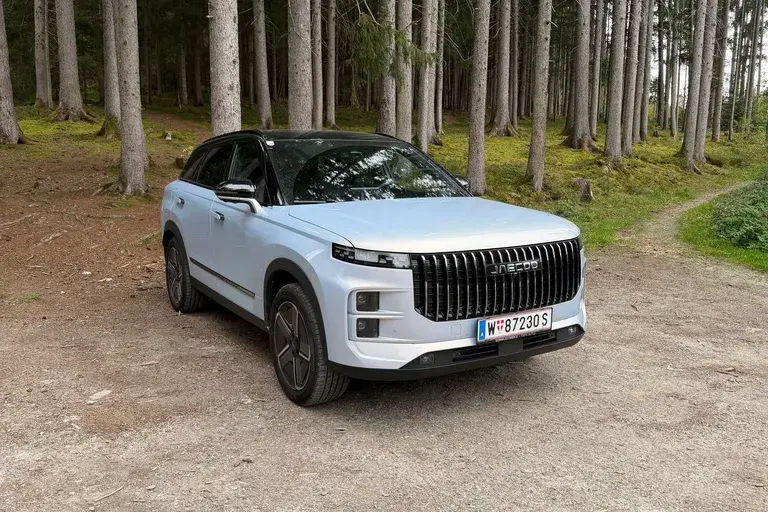
2026 · Jaecoo
Jaecoo 7 PHEV Premium Line
For just under €40,000, the Jaecoo 7 promises a lot of car, a lot of equipment and a lot of range. What remains open is how much of that arrives when you actually drive it.
Read the review
2025 · Ford
Ranger 2.3 PHEV Wildtrak
In Austria, the Ranger is a pick-up everyone knows, from the construction yard to the alpine hut: a workhorse that has grown into a lifestyle vehicle in recent years.
Read the review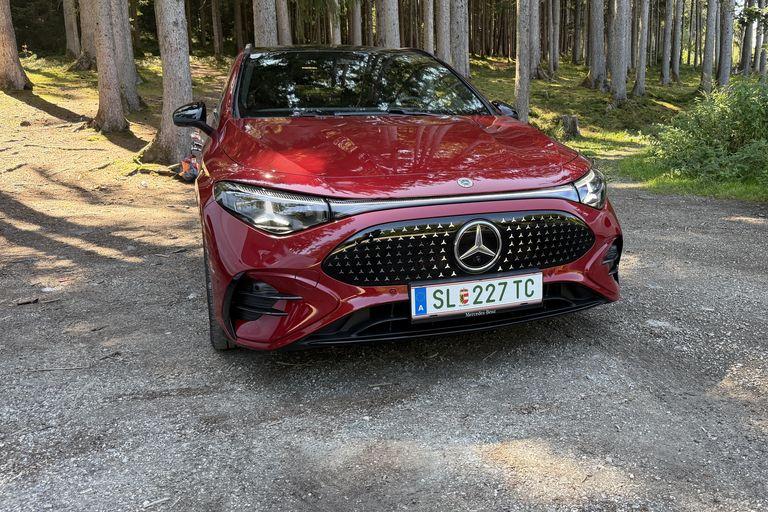
2026 · Mercedes-Benz
CLA 350 4MATIC Shooting Brake
Some cars enter a room — others redefine it. The Mercedes-Benz CLA 350 4MATIC Shooting Brake with EQ Technology belongs firmly in the latter category.
Read the review