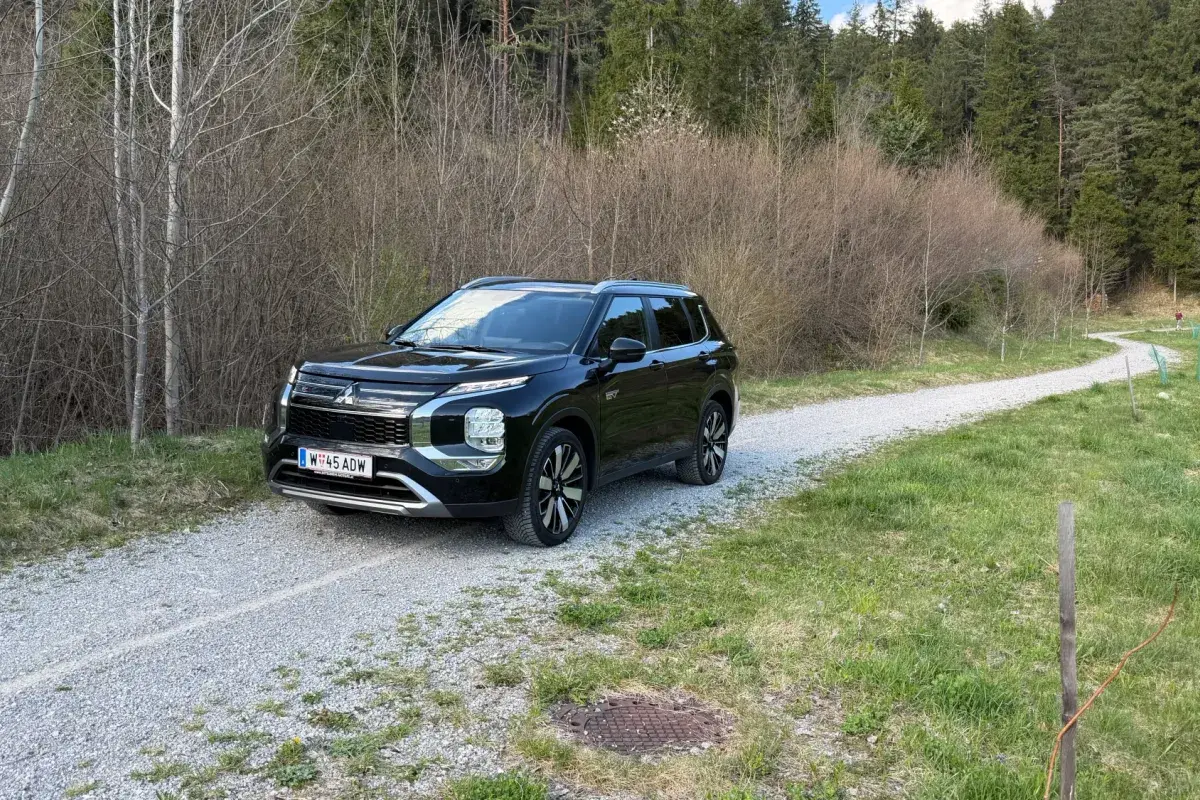
2026 · Mitsubishi
Outlander Intense PHEV
From €37,990
Technical data
- Engine
- 2.4-litre four-cylinder + electric motor
- Power
- 306 hp
- Torque
- 450 Nm
- Transmission
- Single-speed direct drive
- Drivetrain
- All-wheel drive
- 0–100 km/h
- 7.9 s
- Top speed
- 170 km/h
- Consumption
- 5.7 l / 100km
drivereport SCORE
Our objective five-pillar rating system
Overall rating
Driving
25% weighting
8.2
out of 10
Everyday use
25% weighting
8.3
out of 10
Technology
20% weighting
8.1
out of 10
Value
20% weighting
7.9
out of 10
Character
10% weighting
7.4
out of 10
The drivereport SCORE is based on our objective five-pillar system. Learn more about the drivereport SCORE.
Pros
- Exceptionally comfortable suspension
- Full all-wheel drive as standard
- Generous amount of space
Cons
- CHAdeMO instead of CCS
- AC charging speed limited to just 3.7 kW
Introduction
Some cars get everything right the moment you step in — and then there's the Mitsubishi Outlander Intense PHEV. A vehicle that politely but firmly dismantles a few prejudices about the brand. With 306 hp, genuinely generous space and an interior that radiates far more premium ambition than you'd typically expect from Mitsubishi, the Outlander positions itself as a genuine insider tip in the fiercely contested PHEV SUV segment. At €44,590 in Intense trim, it offers a lot of value at first glance — and largely lives up to that promise in daily use.
Design and build quality
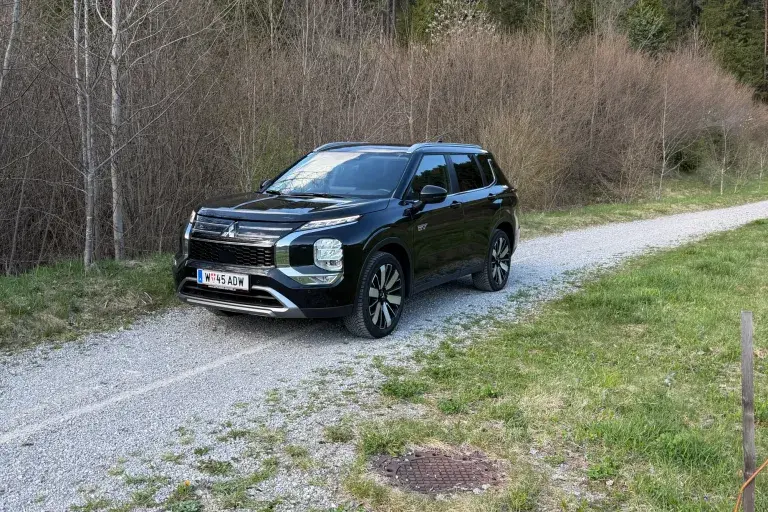
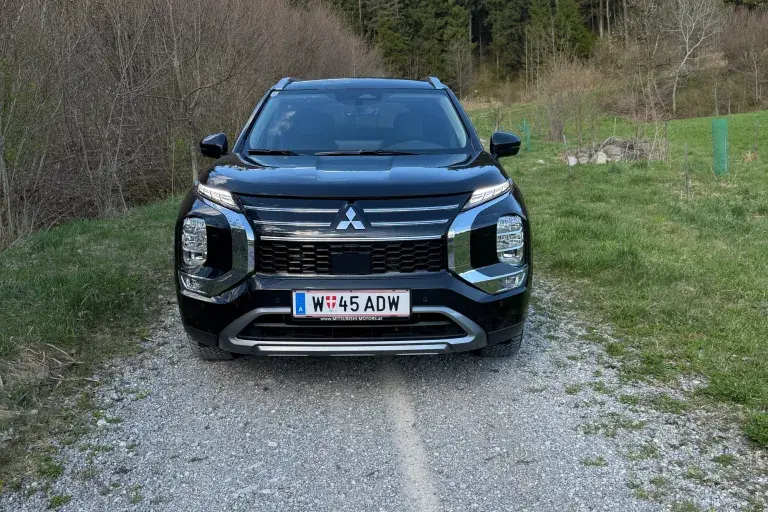
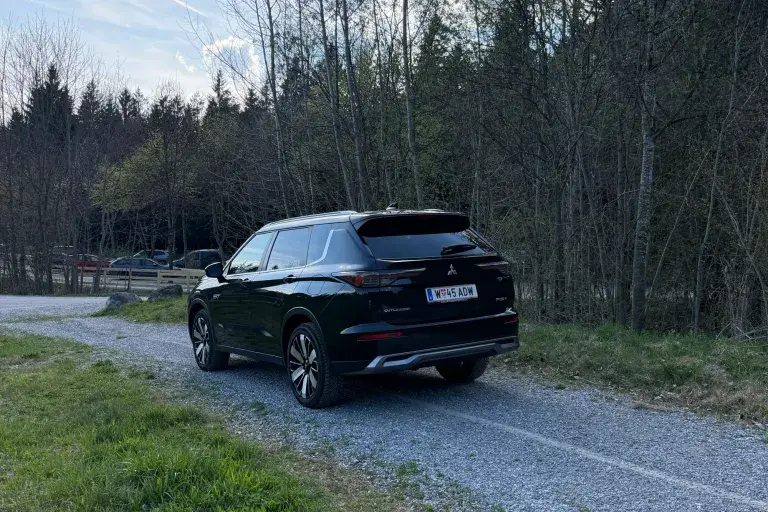
The Outlander in Intense trim presents itself confidently and cleanly on the outside — not a car that polarises with design experiments, but one that convinces with solid presence. The clean lines, pronounced shoulder line and distinctive front give it a down-to-earth seriousness that suits the car's overall character well.
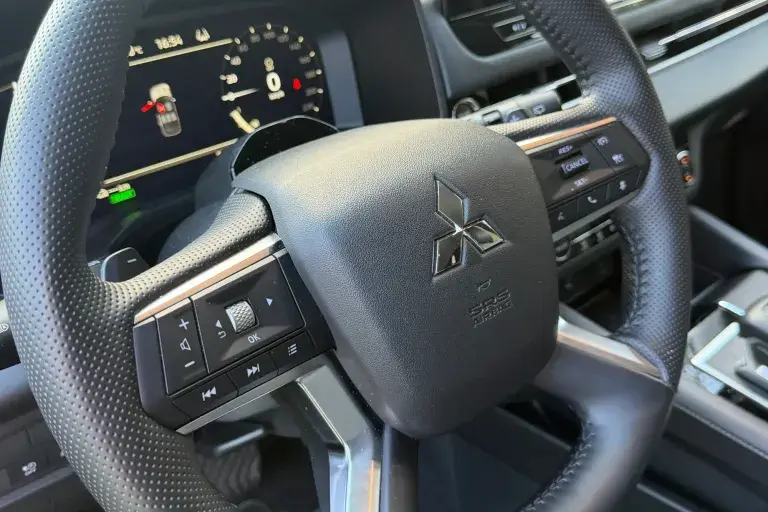
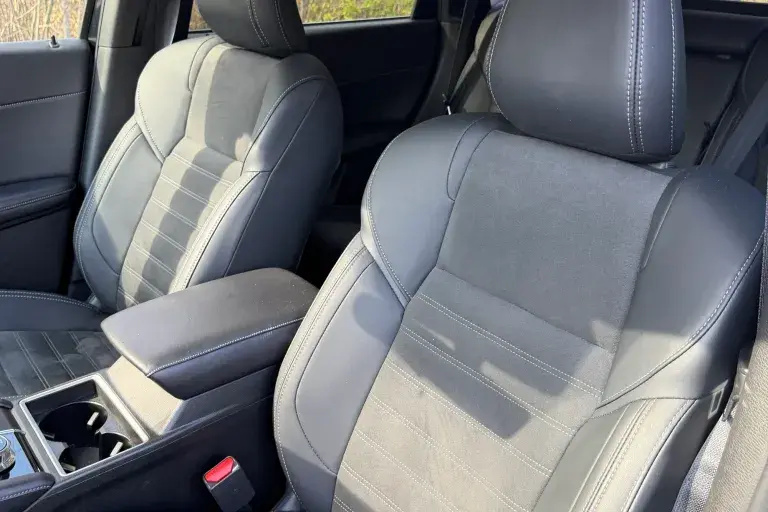
The real surprise unfolds once you step inside: interior build quality clearly exceeds expectations. Anyone who has previously placed Mitsubishi in the solid mid-tier will need to reconsider. Soft surfaces, cleanly finished seams, no creaking, no wobbling — the cockpit leaves an impression usually found in the price class above. That's not a given, and it deserves explicit praise.
Interior
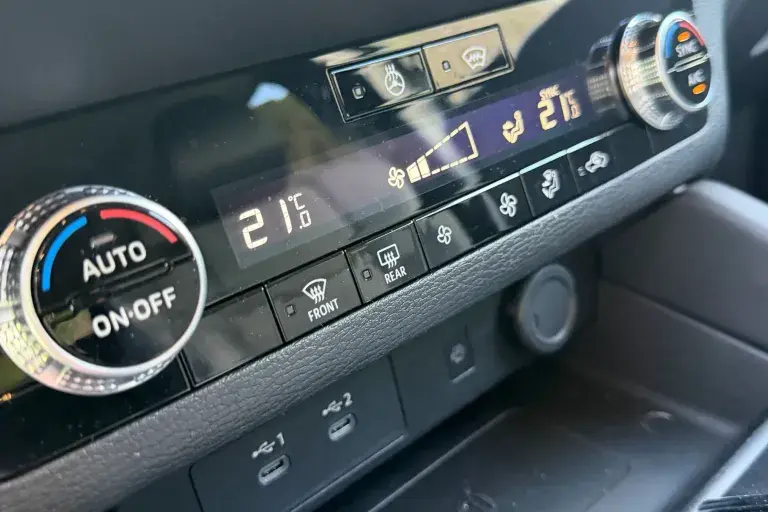
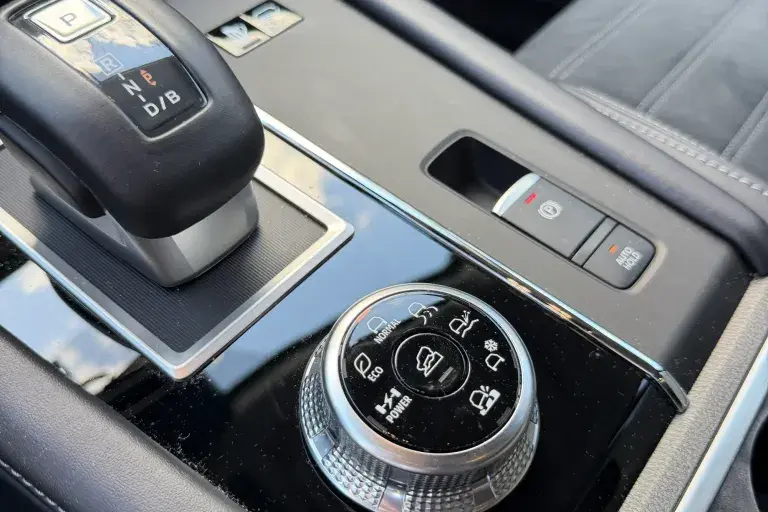
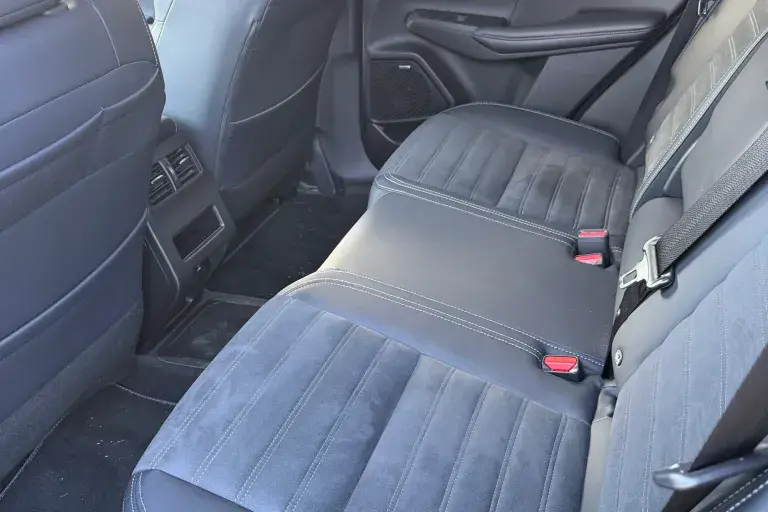
The Outlander Intense's cabin is generously sized. Space for all five passengers is good, the boot practical and suitable for everyday use. The seats offer sufficient side support and remain comfortable on longer journeys. Visually and to the touch, the quality already mentioned stays consistent throughout the cabin — from the door panels to the centre console, the overall picture is coherent.
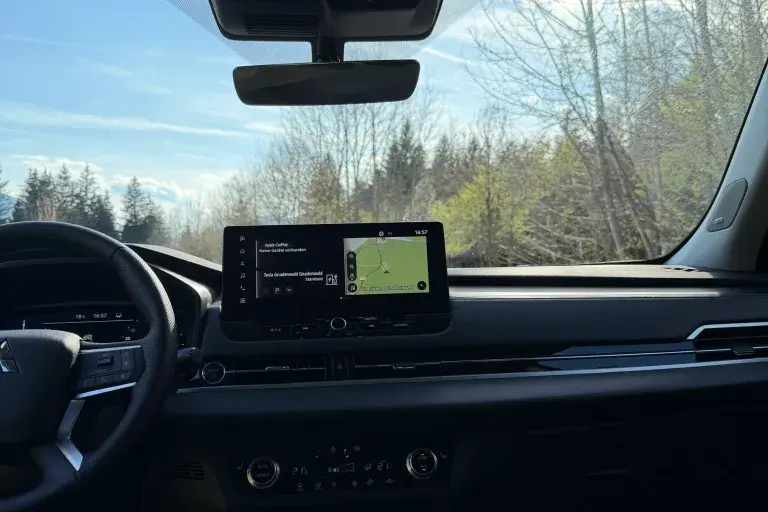
The infotainment system works solidly and is clearly structured. Apple CarPlay and Android Auto are naturally on board. Operation comes easily and requires no particular adjustment period. The driver display presents all relevant information clearly and legibly. Particularly pleasant: the sound system performs at a very good level for this vehicle class, making long journeys a genuine listening pleasure.
Powertrain and handling
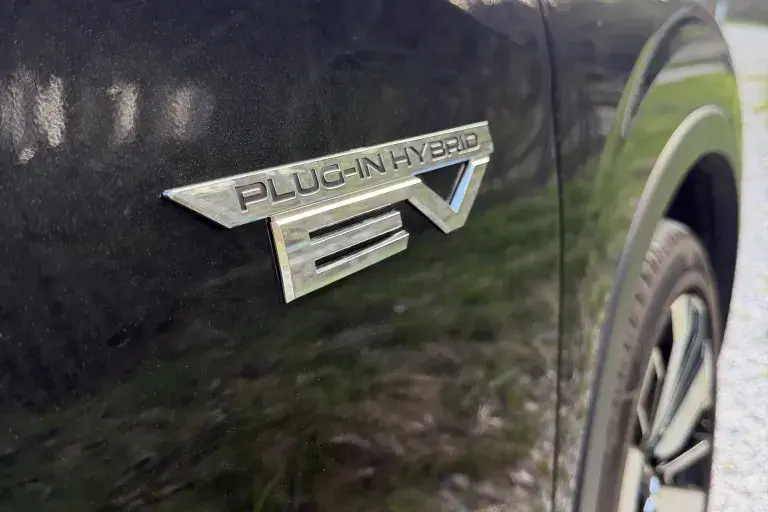
306 hp on paper — and it's genuinely present in daily use. The Outlander Intense PHEV combines a 2.4-litre petrol engine with two electric motors on the front and rear axles, giving it proper all-wheel drive too. The interplay between these three units works smoothly in practice: the car pulls evenly and strongly, never giving the impression of being underpowered.
That's not a given in the PHEV segment, where many vehicles show strong combined outputs on paper but often feel hesitant or unharmonious on the road. The Outlander gets the balance right. The system confidently decides when to run electrically and when to bring in the combustion engine, and the transition happens without noticeable jolts.
The suspension is set up for comfort — consistently and convincingly. Bumps are ironed out without the car feeling floaty or unsettled. Anyone looking for an SUV that handles both long distances and city driving with equal ease will find one of the better options in its class here.
Driver assistance and safety
The Outlander Intense presents itself at a solid, up-to-date level in this area. Lane-keeping assist, adaptive cruise control, blind spot warning and a reversing camera all work reliably and without excessive intervention. The systems are noticeably present without becoming intrusive — a good balance that genuinely eases daily driving without being overbearing.
Efficiency
In daily use, the Outlander PHEV convinces with remarkably low consumption — even when the battery isn't regularly charged to full. The combustion engine works efficiently enough to achieve reasonable consumption figures even in hybrid mode without external charging. Anyone with home charging can complete many everyday journeys purely electrically. Anyone without that option, or who forgets to charge, still isn't penalised — the system compensates well.
AC charging works via Type 2 at up to 3.7 kW — sufficient for overnight top-ups, but not a record figure. Electric range sits at around 80 km (WLTP), which covers the daily needs of many commuters. The overall concept convinces, though the CHAdeMO connector remains a point worth weighing up soberly before buying.
Verdict
The Mitsubishi Outlander Intense PHEV is a serious contender in its segment — and a vehicle that reveals its strongest arguments once you step in and drive it. Build quality and comfort are noticeably above what you might expect from Mitsubishi. The powertrain is confident and practical for daily use, consumption reasonable even without regular charging, space practical, and the interior of higher quality than the price suggests.
Compared with rivals like the Kia Sorento PHEV, Hyundai Tucson PHEV or the closely related Nissan X-Trail e-Power, the Outlander holds its own well — in build quality and driving dynamics it even surpasses many of them. The CHAdeMO charging connector remains a conceptual handicap that can't be glossed over in an increasingly CCS-dominated charging landscape. For buyers with their own home charging point, that's manageable. For everyone else, it's a point worth thinking through soberly.
Overall: a vehicle with more substance than its brand image suggests — and in the end, that's the highest praise you can give a car.
Gallery
More reviews
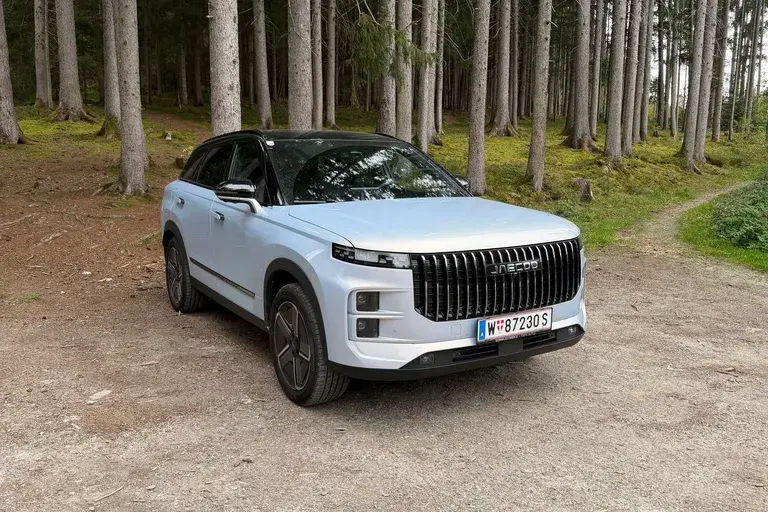
2026 · Jaecoo
Jaecoo 7 PHEV Premium Line
For just under €40,000, the Jaecoo 7 promises a lot of car, a lot of equipment and a lot of range. What remains open is how much of that arrives when you actually drive it.
Read the review
2025 · Ford
Ranger 2.3 PHEV Wildtrak
In Austria, the Ranger is a pick-up everyone knows, from the construction yard to the alpine hut: a workhorse that has grown into a lifestyle vehicle in recent years.
Read the review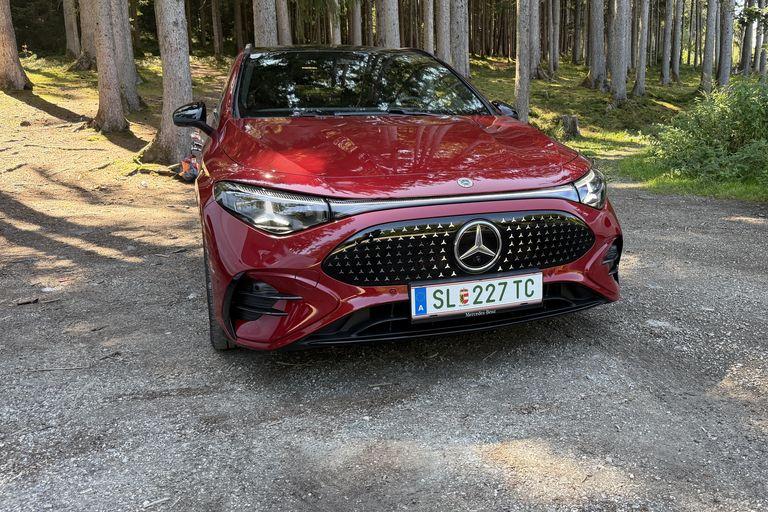
2026 · Mercedes-Benz
CLA 350 4MATIC Shooting Brake
Some cars enter a room — others redefine it. The Mercedes-Benz CLA 350 4MATIC Shooting Brake with EQ Technology belongs firmly in the latter category.
Read the review