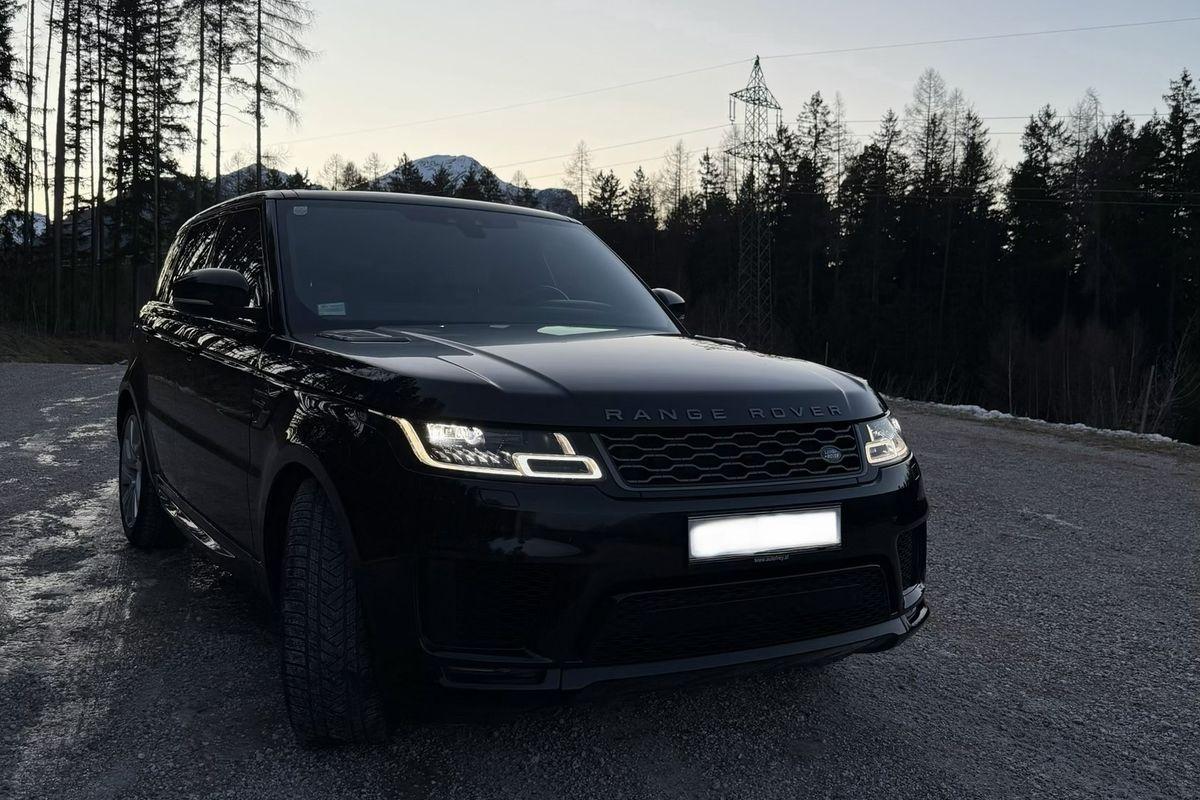
2018 · Land Rover
Range Rover Sport SD4 HSE
From €45,000
Technical data
- Engine
- 2.0-litre four-cylinder
- Power
- 240 hp
- Torque
- 500 Nm
- Transmission
- 8-speed automatic
- Drivetrain
- All-wheel drive
- 0–100 km/h
- 8.3 s
- Top speed
- 207 km/h
- Consumption
- 9.6 l / 100km
drivereport SCORE
Our objective five-pillar rating system
Overall rating
Driving
25% weighting
7.5
out of 10
Everyday use
25% weighting
7.6
out of 10
Technology
20% weighting
7.3
out of 10
Value
20% weighting
7.0
out of 10
Character
10% weighting
8.0
out of 10
The drivereport SCORE is based on our objective five-pillar system. Learn more about the drivereport SCORE.
Pros
- Comfortable ride
- Well suited to long journeys
- High-quality interior
Cons
- High fuel consumption
- Poor visibility while driving
Introduction
The Range Rover Sport has always been the more dynamic counterpart to the classic Range Rover: a little more compact, a little sportier — but still firmly anchored in the luxury SUV segment. In the SD4 version with a 2.0-litre diesel engine, the British SUV targets buyers who value the brand's prestige and comfort without reaching straight for the big six- or eight-cylinder options. Whether this downsizing does justice to the Range Rover Sport's character is what this drivereport test sets out to answer.
Design and build quality
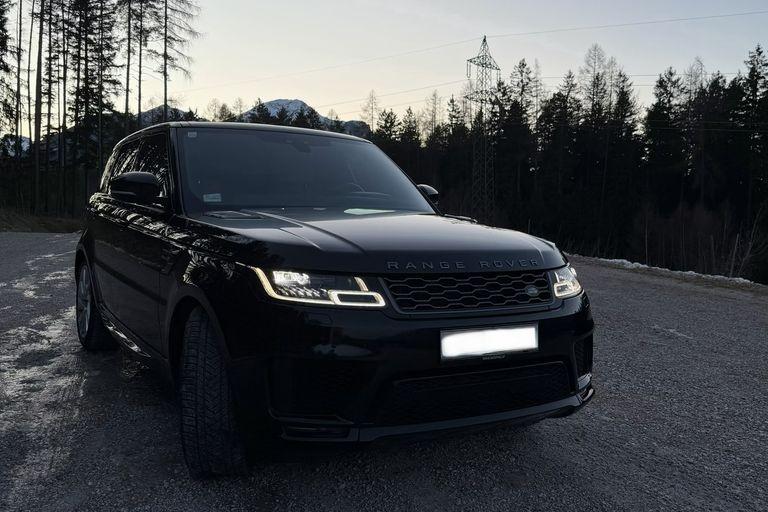
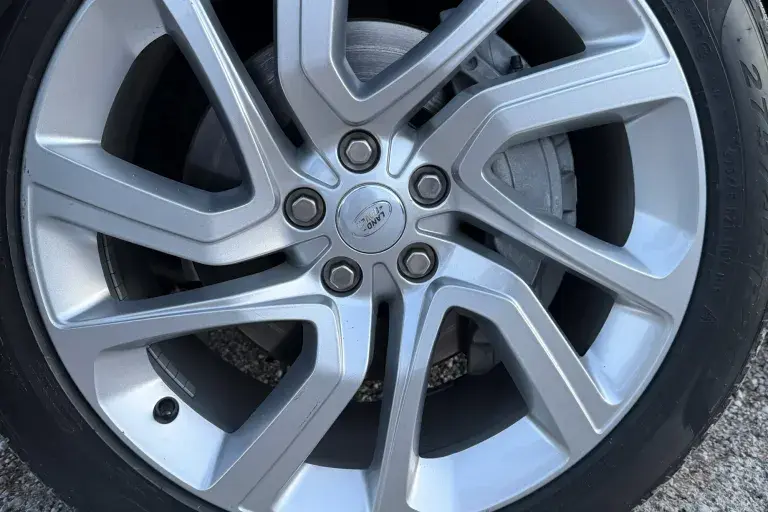
Visually, the Range Rover Sport remains a presence even in 2018. The clean lines, high shoulder line and distinctive front end give it a confident stance that comes across as neither playful nor trend-driven. In HSE trim especially, large alloy wheels underline its premium ambitions.
Build quality convinces overall: panel gaps are tight, the paintwork is high quality, doors close with a satisfying thud. Criticism is more a matter of detail — some less prominent plastic surfaces in the lower body don't quite match the price level. Even so, the Range Rover Sport ages gracefully and still feels present years later.
Interior
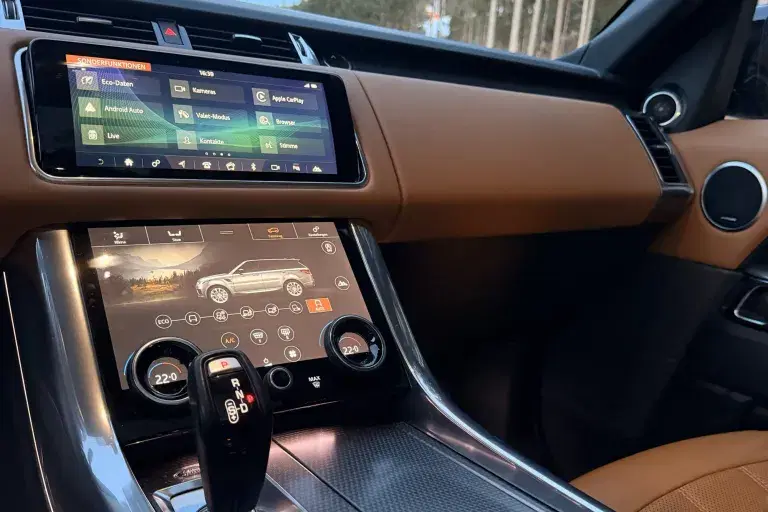
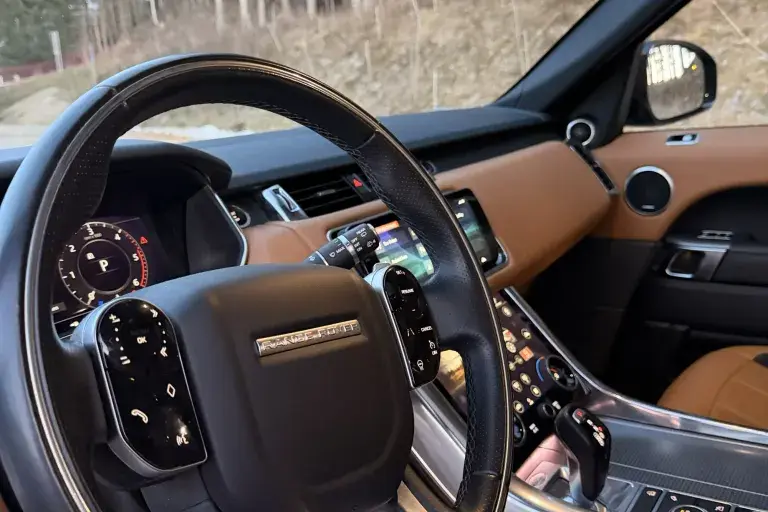
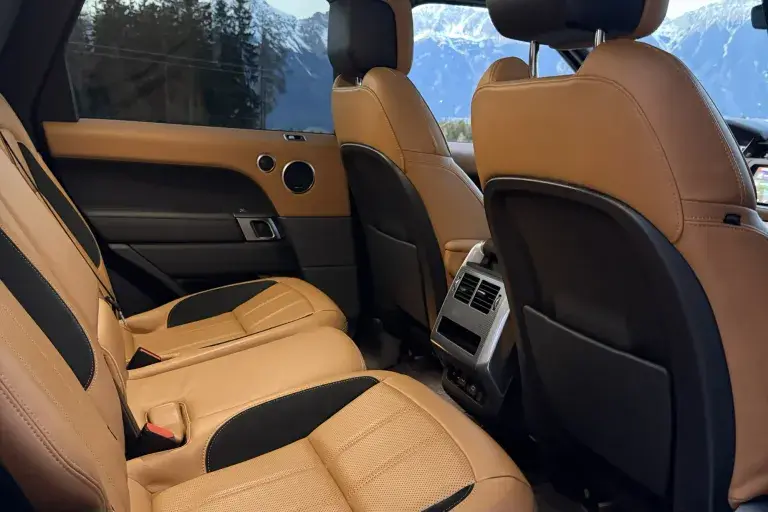
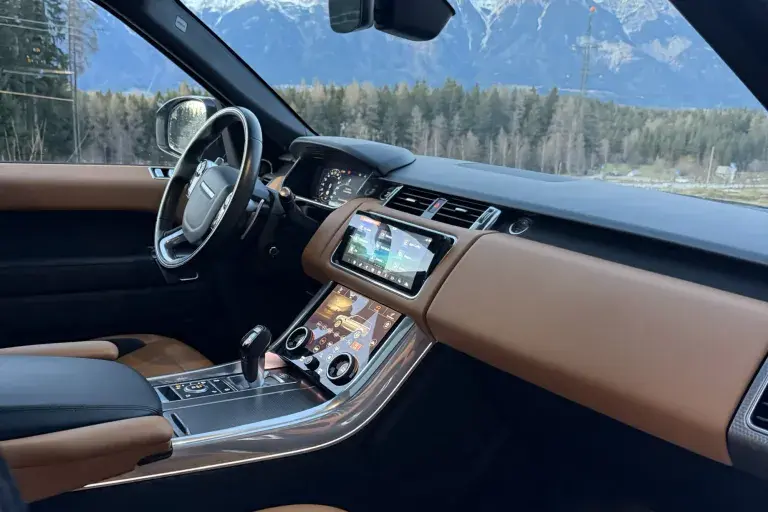
This is where the Range Rover Sport plays its greatest strength. The cabin feels premium, calm and very spacious. Leather, aluminium and softly padded surfaces define the look. The seats offer excellent long-distance comfort, and there's generous legroom in the rear too.
Operation shows both light and shade: the infotainment system feels modern but takes some getting used to. The menu structure is somewhat nested, and response times aren't always top-tier. On the plus side, the seating position is comfortable and visibility is good — despite the car's imposing dimensions.
Powertrain and handling
The 2.0-litre SD4 diesel produces around 240 hp and moves the two-tonne-plus SUV along respectably. The sprint feels sufficiently composed, though genuine sportiness only appears in limited form. Overtaking or driving fully loaded reveals that the four-cylinder lacks some of the pull found in the more powerful engine variants.
The Range Rover Sport's real strength is ride comfort. With air suspension, it glides over poor road surfaces almost majestically, and long motorway stretches become a relaxed affair. Through corners the car stays surprisingly stable, though it always feels comfort-oriented rather than agile. The steering is precise but noticeably detached — typically Range Rover, less sporty than the name suggests.
Driver assistance and safety
Even in 2018, the Range Rover Sport was well equipped. In HSE spec, numerous assistance systems are part of the package: adaptive cruise control, lane-keeping assist, blind spot warning and emergency braking systems.
In daily use the systems mostly work reliably, though they could be tuned more sensitively. The lane-keeping assist in particular intervenes somewhat abruptly at times. Overall, though, the Range Rover Sport offers a high level of safety and conveys a reassuring sense of control and stability on long journeys.
Efficiency
For a vehicle of this size and weight class, consumption is acceptable. In daily use, 8–11 litres of diesel per 100 km is realistic, slightly less with a gentle driving style. On the motorway, consumption rises noticeably, especially at higher speeds.
Efficiency is clearly not the SD4's core strength. Buyers do benefit from the comparatively frugal four-cylinder, but should still expect SUV-typical running costs. On the plus side: the large tank makes it well suited to long-distance travel.
Verdict
The Range Rover Sport SD4 HSE (2018) isn't a sports SUV in the classic sense, but a luxurious all-rounder with a clear comfort DNA. It scores with a commanding presence, excellent ride comfort and an interior that feels more like a lounge than a workhorse.
Criticism is due for the comparatively unemotional four-cylinder, which doesn't quite do the car justice, and for infotainment that lags behind German premium rivals. Compared with the BMW X5, Audi Q7 or Mercedes GLE, the Range Rover convinces less through dynamics or efficiency, but more through character, composure and genuine off-road capability.
Bottom line: the Range Rover Sport SD4 is the right choice for anyone who values luxury, comfort and presence over outright sporting performance — and that's exactly where its particular appeal lies.
Gallery
More reviews
2026 · Jaecoo
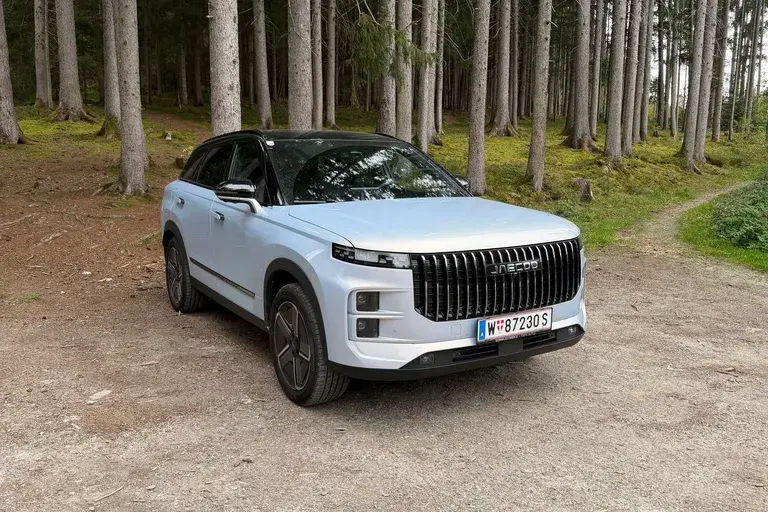
Jaecoo 7 PHEV Premium Line
For just under €40,000, the Jaecoo 7 promises a lot of car, a lot of equipment and a lot of range. What remains open is how much of that arrives when you actually drive it.
Read the review
2025 · Ford
Ranger 2.3 PHEV Wildtrak
In Austria, the Ranger is a pick-up everyone knows, from the construction yard to the alpine hut: a workhorse that has grown into a lifestyle vehicle in recent years.
Read the review
2026 · Mercedes-Benz
CLA 350 4MATIC Shooting Brake
Some cars enter a room — others redefine it. The Mercedes-Benz CLA 350 4MATIC Shooting Brake with EQ Technology belongs firmly in the latter category.
Read the review